Published as an advertorial case study in ITIJ — Assistance & Repatriation Review. Marcos A. Morgan, Founder & CEO of Eagle Group, explains how the group came to the aid of a Brazilian national who suffered a complex trimalleolar fracture while in Türkiye — and why EGS, the group's Gulf arm, runs every case the same way.
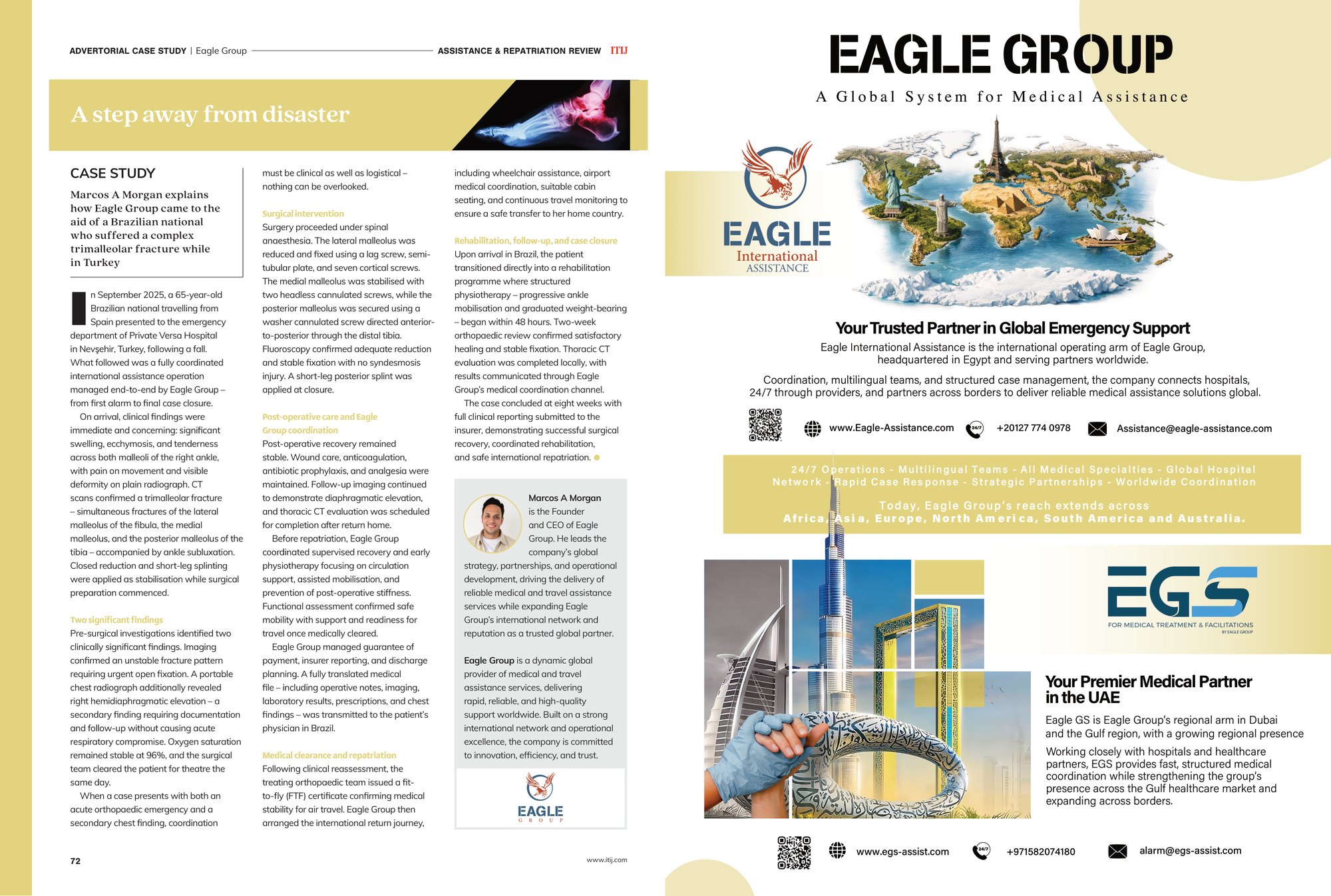 View the full spread
The first alarm
In September 2025, a 65-year-old Brazilian national travelling from Spain presented to the emergency department of a private hospital in Nevşehir, Türkiye, following a fall. What followed was a fully coordinated international assistance operation managed end-to-end — from first alarm to final case closure.
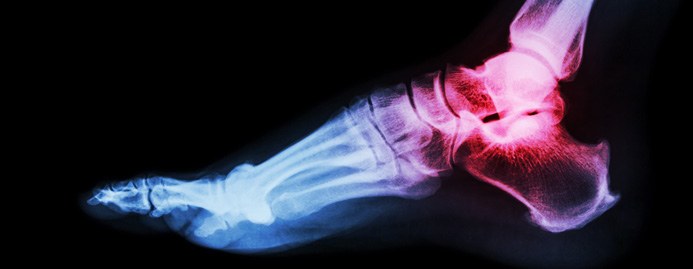
On arrival, clinical findings were immediate and concerning: significant swelling, ecchymosis and tenderness across both malleoli of the right ankle, with pain on movement and visible deformity on plain radiograph. CT scans confirmed a trimalleolar fracture — simultaneous fractures of the lateral malleolus of the fibula, the medial malleolus, and the posterior malleolus of the tibia — accompanied by ankle subluxation. Closed reduction and short-leg splinting were applied as stabilisation while surgical preparation commenced.
Two significant findings
Pre-surgical investigations identified two clinically significant findings. Imaging confirmed an unstable fracture pattern requiring urgent open fixation. A portable chest radiograph additionally revealed right hemidiaphragmatic elevation — a secondary finding requiring documentation and follow-up without causing acute respiratory compromise. Oxygen saturation remained stable at 96%, and the surgical team cleared the patient for theatre the same day.
"When a case presents with both an acute orthopaedic emergency and a secondary chest finding, coordination must be clinical as well as logistical — nothing can be overlooked." — Marcos A. Morgan, Founder & CEO, Eagle Group
Surgical intervention
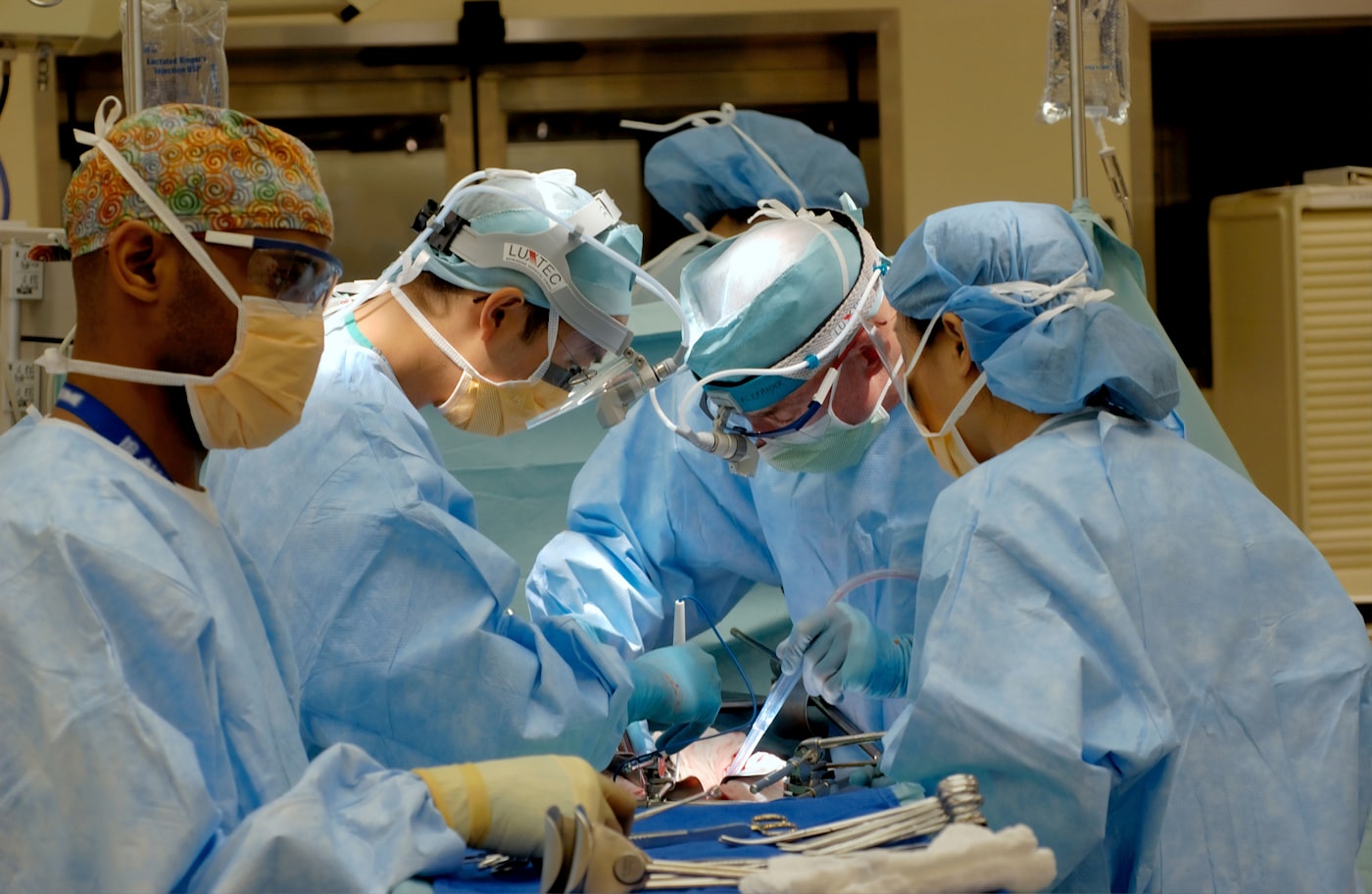
Surgery proceeded under spinal anaesthesia. The lateral malleolus was reduced and fixed using a lag screw, semi-tubular plate and seven cortical screws. The medial malleolus was stabilised with two headless cannulated screws, while the posterior malleolus was secured using a washer cannulated screw directed anterior-to-posterior through the distal tibia. Fluoroscopy confirmed adequate reduction and stable fixation with no syndesmosis injury. A short-leg posterior splint was applied at closure.
Post-operative care and coordination
Post-operative recovery remained stable. Wound care, anticoagulation, antibiotic prophylaxis and analgesia were maintained. Follow-up imaging continued to demonstrate diaphragmatic elevation, and thoracic CT evaluation was scheduled for completion after return home.
Before repatriation, the assistance desk coordinated supervised recovery and early physiotherapy focusing on circulation support, assisted mobilisation and prevention of post-operative stiffness. Functional assessment confirmed safe mobility with support and readiness for travel once medically cleared.
In parallel, the desk managed the guarantee of payment, insurer reporting and discharge planning. A fully translated medical file — including operative notes, imaging, laboratory results, prescriptions and chest findings — was transmitted to the patient's physician in Brazil.
Medical clearance and repatriation
Following clinical reassessment, the treating orthopaedic team issued a fit-to-fly (FTF) certificate confirming medical stability for air travel. The desk then arranged the international return journey, including wheelchair assistance, airport medical coordination, suitable cabin seating and continuous travel monitoring to ensure a safe transfer to the patient's home country. This is the exact playbook behind our medical repatriation service.

Rehabilitation, follow-up and case closure
Upon arrival in Brazil, the patient transitioned directly into a rehabilitation programme where structured physiotherapy — progressive ankle mobilisation and graduated weight-bearing — began within 48 hours. A two-week orthopaedic review confirmed satisfactory healing and stable fixation. Thoracic CT evaluation was completed locally, with results communicated through the group's medical coordination channel.
The case concluded at eight weeks with full clinical reporting submitted to the insurer, demonstrating successful surgical recovery, coordinated rehabilitation and safe international repatriation.
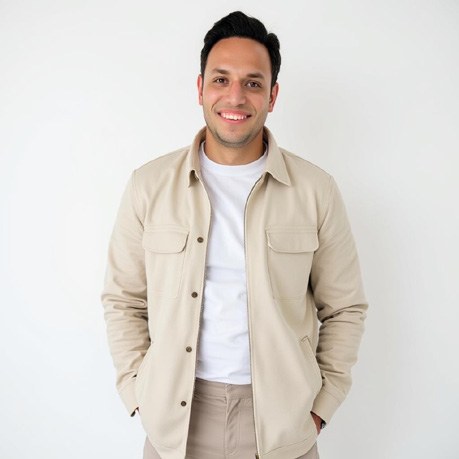
Marcos A. Morgan
Marcos leads the company's global strategy, partnerships and operational development, driving the delivery of reliable medical and travel assistance services while expanding Eagle Group's international network and reputation as a trusted global partner.
Why this matters for insurers and TPAs in the Gulf
EGS is Eagle Group's regional arm in Dubai and the Gulf. The same discipline that carried this patient from a Turkish emergency department to a rehabilitation programme in Brazil — clinical oversight, a named coordinator, a GOP that moves at the speed of medicine, and a translated file that follows the patient home — is what our partners get on every case we handle in the UAE and beyond.
- One desk, end to end. Intake, clinical review, GOP, discharge planning and repatriation are not four vendors — they are one file.
- Secondary findings are never dropped. The chest finding was documented, monitored and handed over — not lost between hospital and home.
- The insurer sees everything. Structured reporting from the first alarm to the final closure report.

Today, Eagle Group's reach extends across Africa, Asia, Europe, North America, South America and Australia — with EGS coordinating the Gulf.
Have a case that needs this level of coordination? Our emergency support desk is open around the clock — or read how to choose the right emergency medical assistance partner in the UAE.